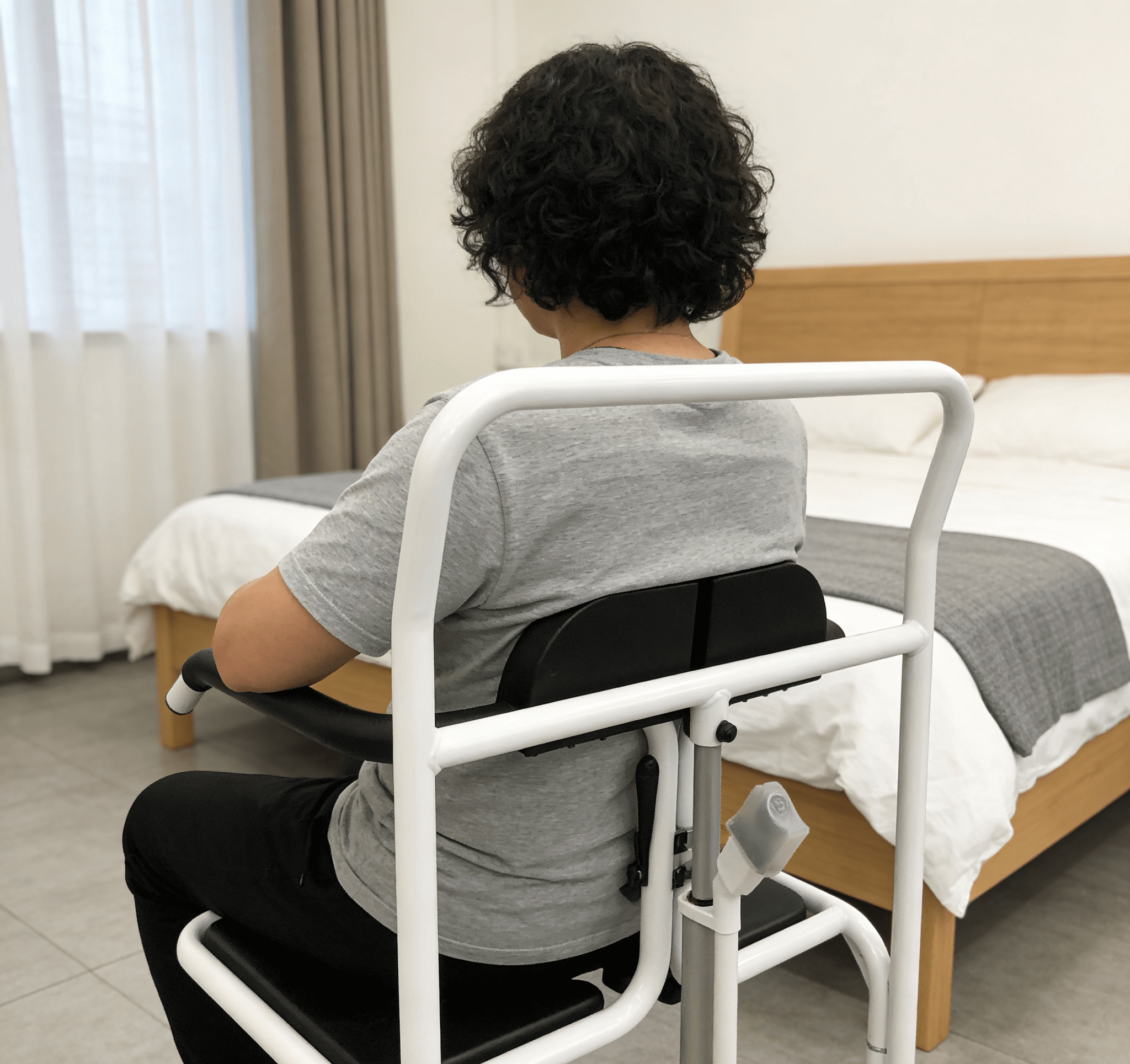
Category: power lift chairs
Posted by 2025-12-11 11:12
hoyer lift assisted living
Hoyer Lifts in Assisted Living Facilities: Enhancing Safety, Care Standards, and Compliance
In assisted living facilities, balancing residents’ independence with the provision of necessary care is a core task. When residents experience declining mobility and can no longer transfer safely on their own, Hoyer Lifts transform from an optional piece of equipment into an indispensable tool for care and safety. They not only protect residents but also safeguard caregivers, while helping facilities meet strict regulatory standards.
I. Why Do Assisted Living Facilities Need Hoyer Lifts?
1. Ensuring Resident Safety (Highest Priority)
Eliminating fall risks: For frail, paralyzed, or post-surgical residents, manual transfers are one of the primary causes of falls. Hoyer Lifts enable "weight-free" transfers, completely eliminating this risk.
Complying with weight-bearing restrictions: For residents recovering from surgeries such as hip or knee replacements, doctors typically impose strict prohibitions on weight-bearing for the affected limb. Hoyer Lifts are the only safe way to adhere to these medical instructions.
2. Protecting Caregivers’ Health
Preventing occupational injuries: Manually lifting residents is the leading cause of low back strain and musculoskeletal injuries among caregivers. Transferring physical labor to mechanical equipment is one of the most important investments a facility can make in its staff’s health, significantly reducing worker compensation claims and sick leave rates.
3. Improving Care Quality and Resident Dignity
Smoothness and comfort: Compared to manual lifting, which can be clumsy and strenuous, the smooth, controlled transfer experience provided by Hoyer Lifts is more comfortable and dignified for residents.
Expanding service scope: Allows facilities to accommodate and care for residents who are frailer or heavier, without needing to transfer them to higher-level care settings (e.g., skilled nursing facilities).
4. Meeting Compliance and Regulatory Requirements
Health and safety regulatory bodies (such as state health departments) strongly recommend or even mandate the use of mechanical assistive devices to replace high-risk manual lifting, ensuring adherence to safety standards.
II. Key Steps for Implementing a Hoyer Lift Program in Assisted Living Facilities
Successfully integrating Hoyer Lifts into daily operations requires more than just purchasing the equipment.
1. Comprehensive Resident Assessment
Conduct assessments by registered nurses or occupational therapists to identify which residents need and will use Hoyer Lifts. Assessments should be based on residents’ transfer capabilities, weight, cognitive status, and specific medical needs.
2. Developing Individualized Care Plans
Include Hoyer Lift use as an explicit item in residents’ individualized service plans, specifying transfer frequency, the number of caregivers required, and the specific type of sling needed.
3. Staff Training and Certification (Critical)
Mandatory training: All caregivers who may operate the equipment must receive hands-on training from qualified instructors (typically occupational therapists or experienced trainers).
Training content should include:
Equipment assembly and inspection.
Selection and proper application of different sling types.
Full procedures for standard transfers (e.g., bed-to-wheelchair, wheelchair-to-toilet).
Handling of special situations (e.g., resident spasms, restlessness).
Cleaning and infection control protocols.
Regular retraining: Ensure skills remain sharp and staff are updated on new equipment or processes.
4. Equipment Management and Maintenance
Ensure an adequate number of Hoyer Lifts are available for use.
Establish a schedule for regular preventive maintenance and inspections to ensure equipment is always safe and functional.
Stock slings of various sizes and types to accommodate residents of different body types.
III. Overcoming Common Implementation Challenges
1. Resistance from Residents or Their Families
Solution: Conduct gentle communication to explain that Hoyer Lifts are for safety and comfort, not to take away residents’ abilities. Emphasize that their use aligns with doctors’ safety instructions.
2. Initial Reluctance from Staff
Solution: Demonstrate the physical risks of manual lifting with data, and let staff experience the effort-saving benefits of Hoyer Lifts firsthand to prove their value. Incorporate Hoyer Lift use into workflow and performance evaluations.
3. Space Constraints
Solution: Choose mobile Hoyer Lifts and plan transfer paths within rooms. For rooms where long-term use is needed and space permits, consider installing more convenient ceiling track systems.
IV. Hoyer Lifts and the "Aging in Place" Philosophy
For many families, assisted living facilities are part of achieving "aging in place." By allowing residents to stay safely in a familiar environment even as their physical conditions change, Hoyer Lifts strongly support this philosophy. They enable facilities to provide a higher level of care, delaying or avoiding the transfer of residents to more costly and restrictive skilled nursing facilities.
Conclusion
In assisted living facilities, Hoyer Lifts have evolved from a simple medical device into a cornerstone of safety culture, quality care, and risk management. They represent a facility’s solemn commitment to resident safety and staff well-being. Investing in a comprehensive Hoyer Lift program—including equipment, training, and protocols—not only significantly reduces falls and workplace injuries but also elevates the facility’s overall care standards, operational efficiency, and reputation. In an excellent assisted living facility, Hoyer Lifts are regarded as a pair of safe, reliable hands, gently supporting every resident in need of assistance.